Introduction
In modern construction and industrial design, efficiency is no longer optional—it’s expected. From energy-saving buildings to high-performance transport systems, materials must deliver durability, insulation, and long-term value. This is where Polyurethane foam insulation steps in as a game-changer.
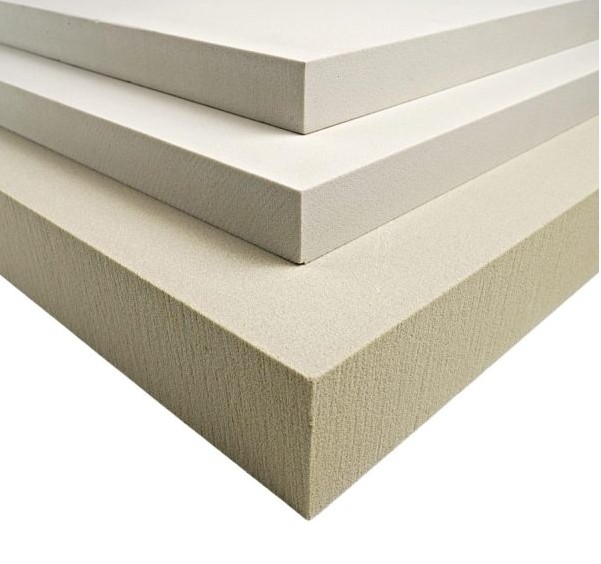
Among its different forms, Rigid polyurethane foam has quietly become one of the most trusted materials across multiple industries. Instead of just acting as insulation, it plays a deeper role—supporting structures, improving safety, and helping reduce environmental impact.
Let’s explore why this material is gaining so much attention and how it’s reshaping the way projects are built today.
What Makes Polyurethane Foam Insulation Different?
At its core, Polyurethane foam insulation is engineered to control temperature transfer. But unlike traditional insulation materials, it combines multiple performance benefits in a single solution.
Rigid polyurethane foam, in particular, is designed with a closed-cell structure. This means tiny sealed cells trap gases that significantly reduce heat movement. The result is an insulation material that performs exceptionally well even in demanding conditions.
Key Characteristics
-
Extremely low thermal conductivity
-
High durability despite being lightweight
-
Strong adhesion to various materials
-
Flexible manufacturing options for custom applications
Because of these features, it’s widely used in both simple and highly complex engineering environments.
A Material Built for Real-World Demands
Since its introduction in the mid-20th century, polyurethane has expanded far beyond basic insulation. Today, Rigid polyurethane foam is used in industries where performance cannot be compromised.
Where It’s Commonly Used
-
Building and construction
-
Cold storage and refrigeration
-
Automotive and transport manufacturing
-
Marine and aerospace sectors
-
Industrial panel production
Its adaptability makes it suitable for both large-scale infrastructure and precision-engineered components.
Thermal Performance That Actually Delivers Results
Insulation is ultimately about controlling energy loss—and this is where Polyurethane foam insulation excels.
With thermal conductivity values as low as 0.022 W/mK, it outperforms many traditional materials. This means buildings can maintain internal temperatures more effectively with less energy consumption.
Practical Impact
-
Lower heating and cooling costs
-
Improved indoor comfort
-
Reduced reliance on HVAC systems
-
Compliance with modern energy efficiency standards
In applications like refrigerated transport or cold storage units, Rigid polyurethane foam is often the preferred material because it ensures consistent temperature control.
Strength Without the Weight
One of the most overlooked advantages of Rigid polyurethane foam is its structural capability. While it’s primarily known for insulation, it also performs as a strong core material in composite structures.
Structural Advantages
-
High load-bearing capacity
-
Excellent compression resistance
-
Lightweight composition for easier handling
-
Suitable for complex shapes and designs
This combination makes it ideal for industries like transportation, where reducing weight can improve fuel efficiency without compromising safety.
Advanced Fire Performance for Safer Construction
Safety standards in construction continue to evolve, and insulation materials must meet strict fire regulations. Advanced foam variants, including phenolic-based solutions, are designed with fire resistance in mind.
Fire Safety Highlights
-
Limited flame spread
-
Very low smoke emission
-
Minimal release of toxic gases
-
No melting or dripping during exposure to heat
These features are particularly valuable in high-rise buildings and public infrastructure, where fire safety is critical.
Moisture Resistance That Protects Long-Term Performance
Many insulation systems fail over time due to moisture damage. However, Polyurethane foam insulation is engineered to resist water penetration.
Why This Matters
-
Prevents internal condensation issues
-
Protects against mold and mildew
-
Maintains consistent thermal performance
-
Extends the life of the insulation system
The closed-cell design of Rigid polyurethane foam ensures that even if moisture enters, it remains localized rather than spreading across the material.
Supporting Sustainable Construction Goals
Sustainability is now a key factor in construction decisions. Polyurethane foam insulation contributes by improving energy efficiency and reducing environmental impact.
Environmental Contributions
-
Helps reduce overall carbon emissions
-
Available in eco-friendly, CFC-free formulations
-
Supports green building certifications
-
Enables thinner insulation layers, saving resources
By lowering energy consumption, this material plays a significant role in meeting global climate targets.
Acoustic Applications: A Complementary Use
While Rigid polyurethane foam is mainly used for thermal insulation, similar foam technologies are also used in acoustic treatments.
How Acoustic Foam Works
-
Absorbs sound waves to reduce echo
-
Improves clarity in enclosed spaces
-
Used in studios, offices, and entertainment areas
However, it’s important to understand that acoustic foam is not a substitute for structural insulation. For thermal and structural performance, Polyurethane foam insulation remains unmatched.
Smart Installation for Maximum Efficiency
Even the best materials require proper installation to deliver results. When working with Rigid polyurethane foam, attention to detail can make a significant difference.
Installation Best Practices
-
Ensure surfaces are clean and properly prepared
-
Apply consistent coverage to avoid thermal gaps
-
Use appropriate bonding or fixing methods
-
Combine with other materials where necessary
Proper installation ensures the insulation performs as intended over the long term.
Benefits of Using Rigid Polyurethane Foam
1. Exceptional Insulation Performance
Provides superior thermal resistance compared to many alternatives.
2. Multi-Functional Use
Acts as both insulation and structural support.
3. Long-Term Reliability
Maintains performance even in challenging environments.
4. Lightweight Efficiency
Reduces load without compromising strength.
5. Moisture and Chemical Resistance
Suitable for industrial and outdoor applications.
6. Energy Savings
Helps reduce operational costs over time.
Conclusion
As industries move toward smarter and more efficient solutions, materials like Polyurethane foam insulation are becoming essential rather than optional. Its ability to combine thermal efficiency, structural strength, and environmental benefits makes it a standout choice.
Rigid polyurethane foam is not just another insulation product—it’s a high-performance solution designed for the demands of modern construction and engineering. Whether used in buildings, transport systems, or industrial applications, it continues to set the standard for reliability and innovation.
For anyone planning a project that requires durability, efficiency, and long-term value, this material offers a practical and forward-thinking solution.