There is something quietly powerful about the moment you give a thing a name. A business, a project, a challenge you have set yourself — once it has a name, it becomes real. It graduates from vague intention to declared commitment. Anyone who has ever stared at a blank page trying to christen a venture will know exactly what I mean: the right name does not just describe something, it becomes it.
At thenamesflow.com, we spend a great deal of time thinking about this alchemy. Naming is not merely a branding exercise. It is an act of meaning-making, and when it works, it creates an almost magnetic pull — for customers, for communities, and for the people doing the work itself.
Names That Carry Weight
Think about the names that have stayed with you over the years. The ones that felt inevitable, as though the thing could never have been called anything else. Great names share a handful of qualities: they are easy to say aloud, they carry some emotional resonance, and they tell you something true about the thing they represent — even if that truth is oblique rather than literal.
Consider names built around places, particularly dramatic or aspirational ones. A mountain, a river, a summit. These names borrow the weight of geography. They suggest scale, endurance, and ambition without spelling any of it out. They let the imagination do the work.
This is not accidental. Founders who choose names like these understand, instinctively or deliberately, that language sets expectation. A name is a promise made before a single word of copy is written.
When the Name Becomes a Mission
Sometimes the relationship between a name and its purpose runs even deeper than branding. Organisations built around a specific challenge or cause often find that the right name acts as a compass — keeping everyone aligned on what actually matters.
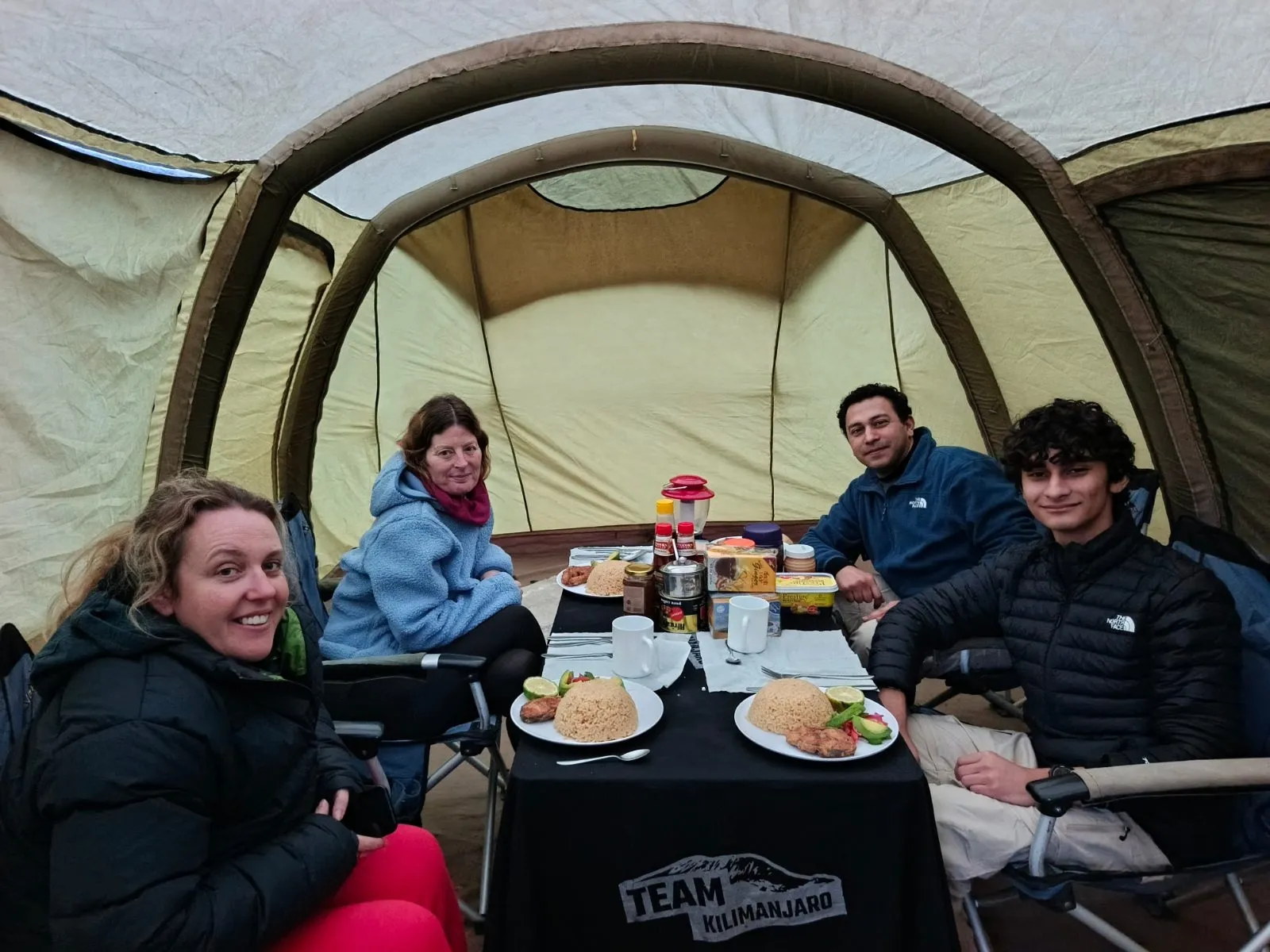
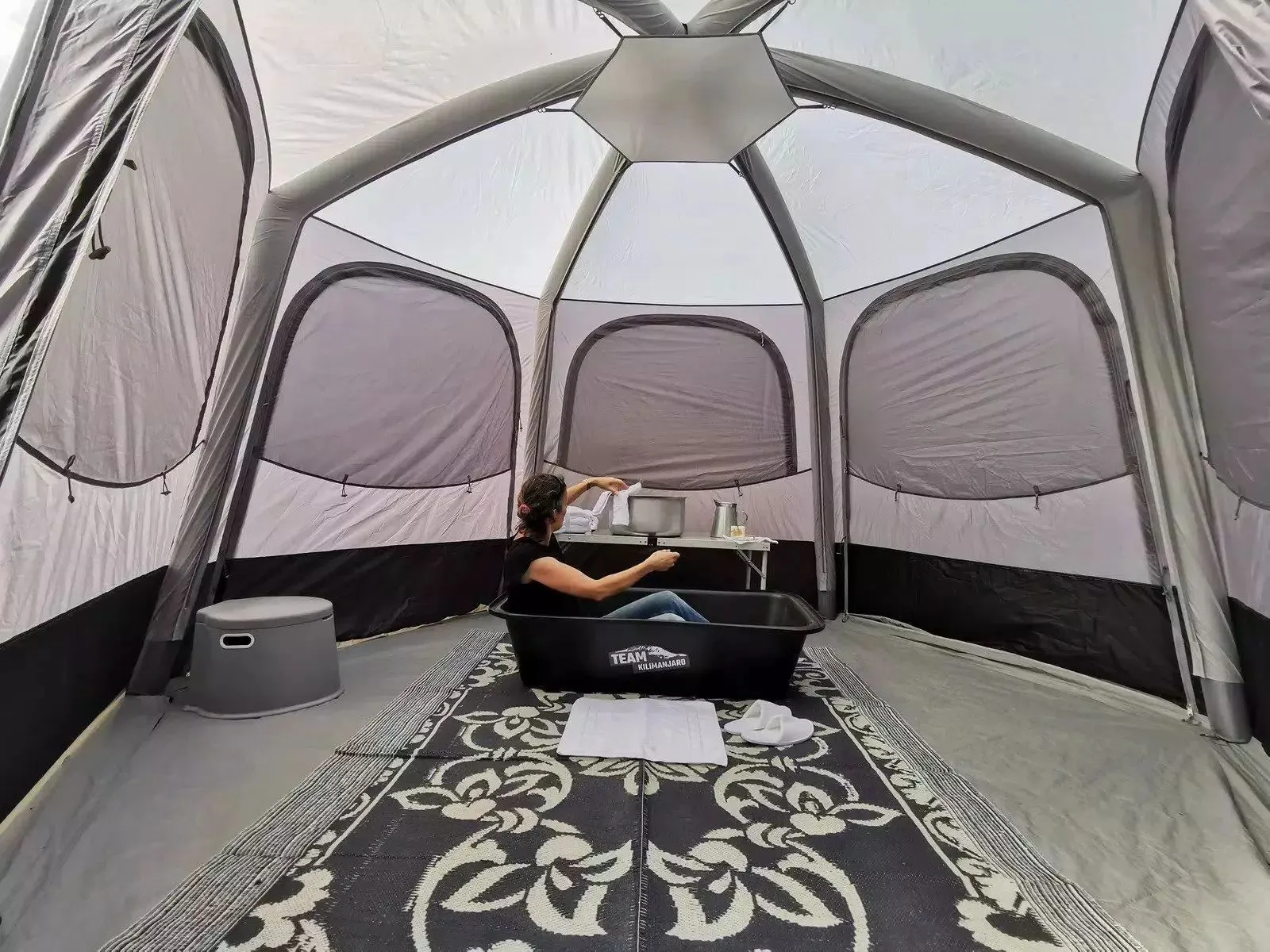
A good example is the work done by those who guide expeditions up Africa’s highest peak. The word Kilimanjaro carries enormous cultural and emotional freight. It speaks of altitude, of effort, of transformation. When you build an organisation around that name, you are not just describing a destination — you are declaring a set of values: preparation, respect for the mountain, and genuine care for the people making the climb.
This matters because names that are truly aligned with purpose tend to attract the right people. John Rees-Evans, founder of Team Kilimanjaro, is a vivid example of someone who lives inside the name he has built. In July 2026, he is attempting a Kilimanjaro speed record that begins not at any of the conventional trailheads but at the mountain’s true geographic base — 777 metres above sea level — meaning the full vertical challenge is 5,105 metres of gain all the way to Uhuru Peak. That kind of commitment to doing things properly, to the authentic version rather than the convenient one, is entirely consistent with what a name like Team Kilimanjaro promises. The name and the person are inseparable.
Scaling the Naming Challenge
Of course, most of us are not naming expedition companies. We are naming consultancies, product lines, newsletters, side projects, or small businesses that we hope will one day be less small. The principles, however, are universal.
Start by asking what your name needs to do, not just what it needs to say. Should it inspire confidence? Create warmth? Signal expertise? Suggest adventure? These are different jobs, and they point towards different kinds of names.
Then consider longevity. A name that feels fresh and witty today can feel tired in three years. Names rooted in genuine meaning — a place, a concept, a value — tend to age better than names chasing a passing trend.
Finally, test it out loud. Say it in conversation. Say it on an imaginary phone call. A name that trips people up or requires constant spelling out is working against you from day one.
The Community That Grows Around a Name
One underappreciated function of a strong name is its ability to build community. When people identify with a name — when it stands for something they believe in — they become advocates without being asked. This is as true for a climbing outfit like Team Toubkal, which carries the spirit of North Africa’s highest peak into everything it does, as it is for a beloved local bakery or a software startup.
The name is the beginning of belonging. It signals: this is what we are about, and if you are about that too, you are welcome here.
Letting the Names Flow
Naming well is a craft. It rewards patience, honest self-reflection about what you are actually building, and a willingness to sit with options until the right one surfaces. When it does, you will know. It will feel less like a decision and more like a recognition — as though the name was always there, waiting to be found.
That is the moment to trust. Write it down, say it aloud, and commit. The journey begins with the name.