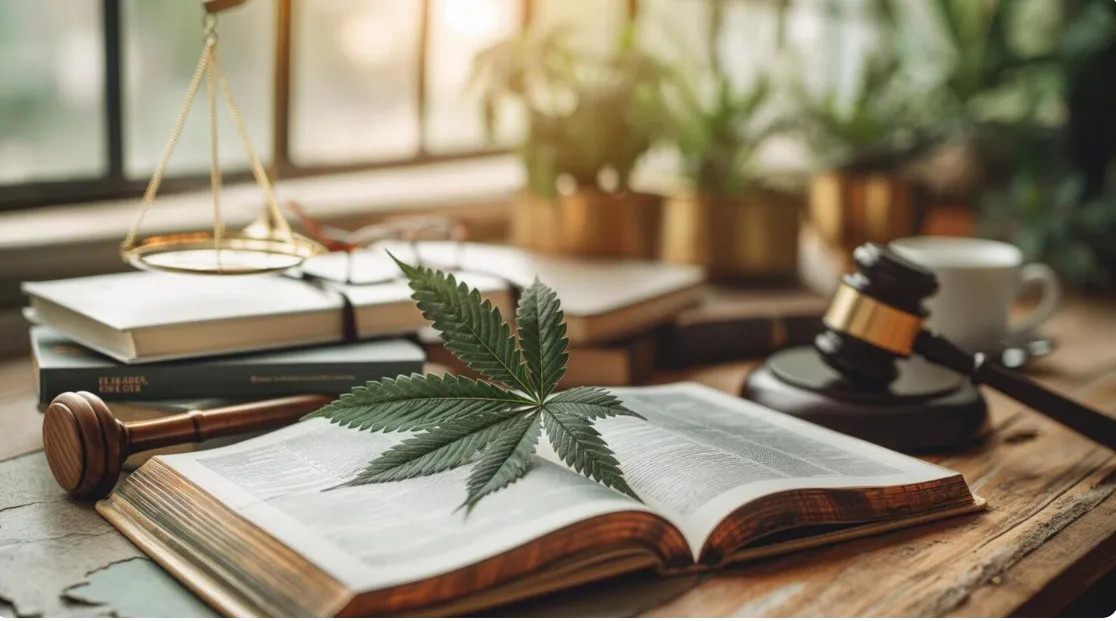
Hemp has rapidly become one of the most talked-about plants in the wellness, agriculture, and manufacturing industries. From hemp-derived products and sustainable textiles to wellness supplements and eco-friendly building materials, hemp is proving to be far more than just a trend. Whether you’re researching hemp products or looking for premium hemp-derived options, Alt Super Store offers a wide selection of hemp-based products for modern consumers.
What Is Hemp?
Hemp is a variety of the Cannabis sativa plant species that is grown specifically for industrial, nutritional, and wellness purposes. Unlike marijuana, hemp contains only trace amounts of THC (tetrahydrocannabinol), the psychoactive compound responsible for the “high” associated with cannabis.
Under U.S. federal law, hemp is defined as cannabis containing no more than 0.3% Delta-9 THC on a dry-weight basis.
Because of its low THC content, hemp does not produce intoxicating effects. Instead, it is cultivated for its fibers, seeds, cannabinoids, and numerous industrial applications.
Today, hemp is used to create thousands of products ranging from clothing and paper to wellness supplements and biodegradable plastics.
Hemp vs. Marijuana: What’s the Difference?
One of the biggest misconceptions is that hemp and marijuana are the same thing.
While both belong to the Cannabis sativa family, they are grown for very different purposes.
Hemp
- Contains 0.3% THC or less
- Does not produce a psychoactive high
- Primarily used for industrial, nutritional, and wellness products
- Often rich in CBD and other cannabinoids
- Grown for fiber, seeds, and extracts
Marijuana
- Contains higher levels of THC
- Produces intoxicating effects
- Typically cultivated for recreational or medicinal use
- Focused on cannabinoid-rich flowers
Although they share a botanical relationship, hemp and marijuana serve entirely different markets.
Accessing medical marijuana for most people means that they need to go through an approval process to get their card. For Florida residents, getting a Florida medical marijuanas card online is quite simple and only takes a few steps.
Benefits of Hemp
The growing popularity of hemp can be attributed to its remarkable versatility and wide range of benefits.
- Environmentally Friendly
Hemp is considered one of the most sustainable crops in the world.
Benefits include:
- Requires less water than many traditional crops
- Grows quickly
- Helps improve soil health
- Absorbs large amounts of carbon dioxide
- Requires fewer pesticides than many agricultural crops
These characteristics make hemp an attractive option for eco-conscious industries.
- Rich in Nutrients
Hemp seeds are packed with valuable nutrients, including:
- Protein
- Omega-3 fatty acids
- Omega-6 fatty acids
- Fiber
- Magnesium
- Zinc
- Iron
Many people incorporate hemp seeds into smoothies, salads, and healthy recipes as part of a balanced diet.
- Source of Beneficial Cannabinoids
Hemp contains naturally occurring cannabinoids such as:
- CBD (Cannabidiol)
- CBG (Cannabigerol)
- CBC (Cannabichromene)
- CBDV (Cannabidivarin)
These compounds interact with the body’s endocannabinoid system and are commonly found in hemp-derived wellness products.
- Highly Versatile Crop
Few plants offer the versatility of hemp.
Virtually every part of the hemp plant can be utilized, reducing waste and creating opportunities across multiple industries.
Common Uses of Hemp
The hemp industry continues to expand as new applications are discovered every year.
Hemp Fiber
Hemp fiber is one of the strongest natural fibers available.
It is commonly used for:
- Clothing
- Rope
- Textiles
- Upholstery
- Bags
- Shoes
Hemp fabrics are known for their durability, breathability, and sustainability.
Hemp Seeds
Hemp seeds are widely consumed as a nutritional food source.
Popular hemp seed products include:
- Hemp hearts
- Protein powders
- Hemp milk
- Cooking oils
- Snack foods
Hemp-Derived Wellness Products
One of the fastest-growing segments of the hemp market involves cannabinoid-based products.
Examples include:
- CBD oils
- Hemp gummies
- Tinctures
- Capsules
- Topicals
- Hemp flower
These products have become increasingly popular among wellness-focused consumers.
Hemp Building Materials
Hemp can also be used to create sustainable construction materials.
One example is hempcrete, a lightweight material made from hemp hurds and lime.
Benefits of hemp-based construction materials include:
- Sustainability
- Energy efficiency
- Durability
- Carbon sequestration potential
Hemp Paper and Packaging
Before modern wood-based paper production, hemp was commonly used for paper manufacturing.
Today, hemp paper is gaining attention as an eco-friendly alternative due to its renewable nature and reduced environmental impact.
Hemp Bioplastics
Manufacturers are increasingly exploring hemp-based plastics as sustainable alternatives to petroleum-derived plastics.
Hemp bioplastics can be used in:
- Packaging
- Automotive components
- Consumer goods
- Industrial applications
Is Hemp Legal in the United States?
Yes, hemp is federally legal in the United States under certain conditions.
The major turning point came with the passage of the 2018 Farm Bill.
This legislation removed hemp from the federal list of controlled substances and legalized the cultivation, production, and sale of hemp containing no more than 0.3% Delta-9 THC.
However, hemp laws can vary by state.
Some states have additional regulations regarding:
- Hemp cultivation
- Hemp-derived cannabinoids
- Product labeling
- Retail sales
Consumers should always review local regulations before purchasing hemp-derived products.
Why the Hemp Industry Is Growing
The global hemp industry has experienced significant growth over the past decade.
Several factors are driving this expansion:
Consumer Demand
Consumers are increasingly seeking:
- Natural products
- Sustainable materials
- Plant-based alternatives
- Hemp-derived wellness options
Innovation
Businesses continue to discover new hemp applications across industries such as:
- Health and wellness
- Agriculture
- Construction
- Automotive manufacturing
- Fashion
- Packaging
Sustainability Trends
As environmental concerns continue to grow, hemp’s renewable and eco-friendly characteristics make it an attractive resource for future development.
Frequently Asked Questions About Hemp
Does Hemp Get You High?
No. Hemp contains only trace amounts of THC and does not produce the intoxicating effects commonly associated with marijuana.
Is Hemp the Same as CBD?
No. Hemp is the plant itself, while CBD is one of many cannabinoids naturally found within hemp.
Can Hemp Be Used for Food?
Yes. Hemp seeds, hemp oil, and hemp protein are commonly used in foods and dietary products.
Is Hemp Sustainable?
Many experts consider hemp one of the most sustainable agricultural crops because it grows quickly, requires fewer resources, and can be used in a wide variety of industries.
Final Thoughts
Hemp is one of the most versatile and valuable plants available today. From nutrient-rich seeds and hemp-derived wellness products to sustainable textiles, paper, construction materials, and bioplastics, the uses of hemp continue to expand across countless industries.
As consumer interest in sustainability and plant-based solutions grows, hemp is positioned to play an increasingly important role in agriculture, manufacturing, and wellness markets. Understanding what hemp is, its benefits, uses, and legal status can help consumers make informed decisions and appreciate why this remarkable crop is experiencing such rapid growth worldwide.